Paire d'haltères

Glissez pour tourner

Poids du corps

Push-up strength training program

A complete plan for progressing on push-ups, from the first clean series to difficult variations. Your sessions arrive dated, sets, repetitions and rest times already calculated.

Why a push-up program
Can be done anywhere, without any equipment, push-ups remain a complete strengthening exercise. A good bodybuilding push-up program organizes effort and recovery over the week. The movement recruits the pectorals, triceps and shoulders, but also the abdominals and back, which stabilize the body from head to toe. The gesture? Hands on the floor, a little wider than the shoulders, chest towards the floor, then back up. What changes everything is the setting. Without a plan, we repeat the same account over and over again. Boxed, each week adds a little volume, and the total climbs without the technique deteriorating.
The correct pump position
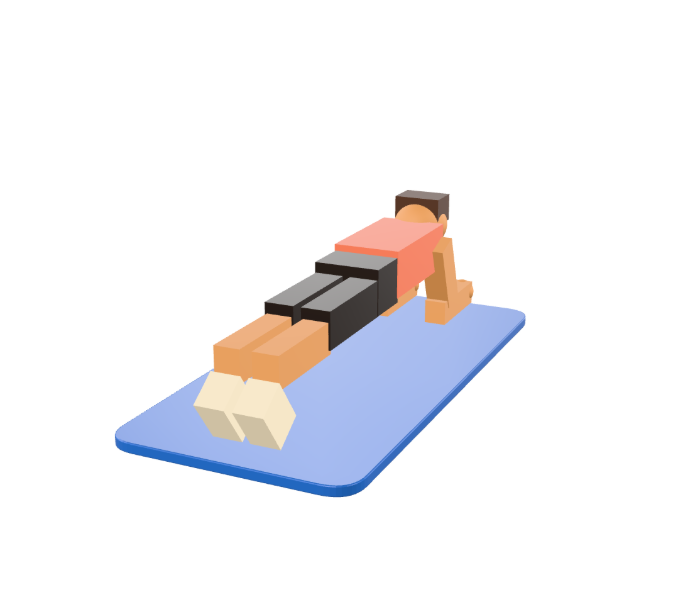
Start by taking care of the starting position. Hands flat on the ground, fingers apart, feet together or slightly separated. Alignment: the body forms a line, from heels to head. Your elbows go backwards, at 45 degrees from the chest, rather than to the sides. Then control the tempo: two seconds down, one second up. Tighten your glutes and stomach to prevent your pelvis from falling. Too hard on the ground? Rest your knees, or place your hands on a step. Raised, they lighten the load and allow clean series from the first day.
Progress with variations
An effective pump bodybuilding program relies on two levers. The first: increase the volume, therefore the sets and repetitions, week after week. The second: harden the movement with variations. Feet raised, resting on a chair, the work moves towards the top of the pectorals and the shoulders. Hands tight, it’s the triceps that take the heat. The classic push-up remains the basis, but it is no longer enough after a few months. Alternating strength and endurance avoids stagnating. Also include rest: 60 to 90 seconds between heavy sets, 30 seconds when you are aiming for endurance. Recovery is part of the plan, just like training.

A typical week: push-ups, pull-ups and dips

Four sessions spread over the week: two predominantly push-ups, one predominantly pulling with pull-ups and dips, a final one for the legs and core.

4 séances par semaine. Les exercices, les charges, les séries et les temps de repos sont calculés selon votre niveau et le matériel dont vous disposez, puis ajustés à mesure que vous progressez.

Each week, add one repetition per set or ten seconds of core training; every four weeks, reduce the volume for three days before starting again.

Générer ce programme

Exercices, charges et temps de repos sont calculés selon votre niveau et votre matériel, puis ajustés à mesure que vous progressez.

Les bases

What makes push-ups progress

Four simple benchmarks that separate an effective series from an approximate series.

L'amplitude complète

L'amplitude complète

Go down until your chest touches the floor, then come back up with your arms straight. Half amplitude inflates the meter but reduces the actual work.
Le tempo

Le tempo

Two seconds to go down, one to go up, with no downtime at the bottom. This rhythm increases the tension. The same account becomes much more demanding.

La position des coudes

La position des coudes

Keep your elbows close to your chest, facing backwards. The shoulders remain low and the movement gains stability.
La progression mesurée

La progression mesurée

Only change one variable at a time: sets, reps, or variation. This is how you know what makes you progress.

Your pump program,
built and monitored

A program generated for you

A program generated for you

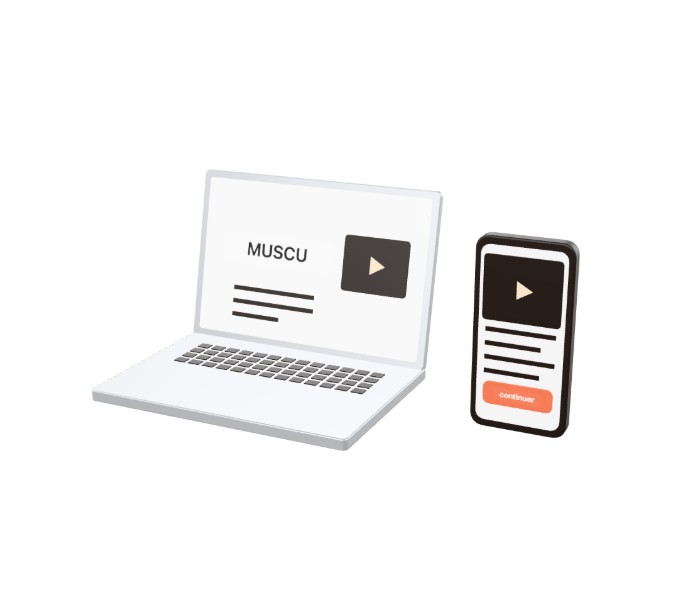
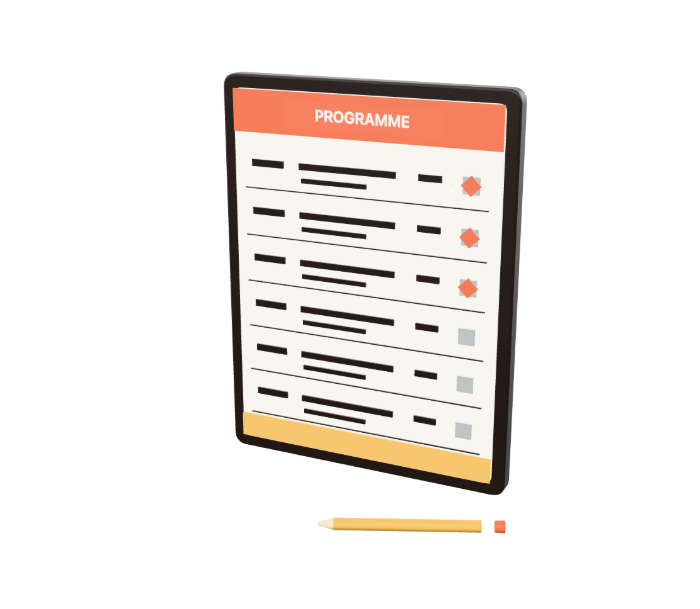
You indicate your level, your days available, the equipment you have. muscu.pro then builds an adapted push-up program, including sets, repetitions and rest times.

La séance guidée

La séance guidée

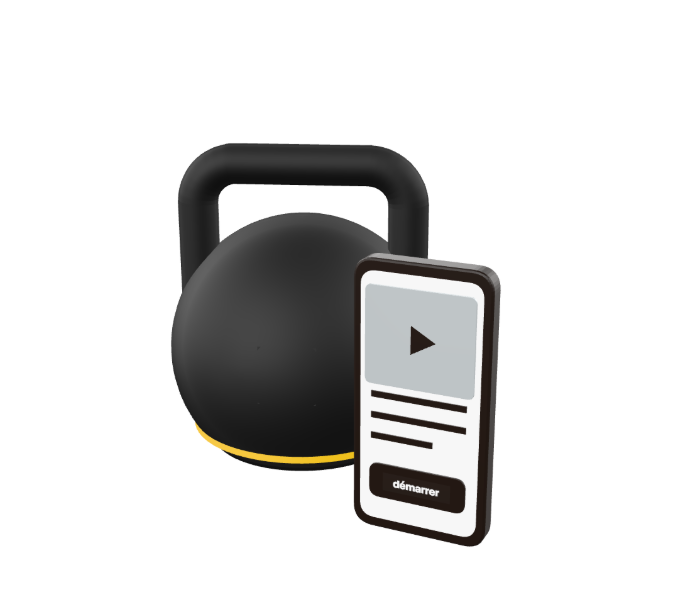
The app displays the current exercise, starts the rest timer and moves on to the next one. You keep your hands free and your attention on the position.

Le suivi de progression

Le suivi de progression

Each session records your total repetitions and your variations. The curves show the evolution week after week.

Questions fréquentes

Questions fréquentes

How many push-ups should you do per day?
No universal number here. Instead, work in series: three to five per session, stopping two repetitions before failure. Three weekly sessions are enough for most practitioners, provided they leave at least one day of rest between two hard outings.
Can you build muscle with push-ups alone?
Push-ups develop the pectorals, triceps and shoulders, as well as the abdominal muscles. They work neither the back in pulling nor the legs. Add pull-ups, dips and squats to balance things out.
Which push-up variants should you choose to progress?
Start elevated with your hands on a chair or wall. Then move on to the floor, then to push-ups with your feet elevated. Diamond push-ups target the triceps, wide push-ups the pectorals.
How much rest time between sets?
Allow 90 seconds when you are looking for strength, with few repetitions. Go down to 30 or 45 seconds for endurance work. This period shortens over the weeks, for the same volume.
Should you do push-ups every day?
A daily routine tires the elbows and shoulders without giving time to recover. Instead, alternate between push-up sessions, pulling sessions and light days. Joint pain appears? Stop and consult a healthcare professional.

Accès au programme

5,90 €

Paiement unique. Accès permanent, sans abonnement.

Obtenir ce programme

Strength training program by muscle group

À voir aussi